

Understanding Memory Loss
Memory loss is one of the most common concerns among adults over 50 — and one of the most misunderstood. While occasional forgetfulness is a normal part of aging, persistent or worsening memory difficulties may signal something that warrants closer attention.
The brain, like every other organ in the body, changes with age. Neurons fire more slowly, blood flow may decrease, and the accumulated effects of decades of lifestyle choices can begin to surface. But not all memory decline is inevitable — and not all of it is permanent.
According to the World Health Organization, approximately 55 million people worldwide live with dementia — a number projected to reach 139 million by 2050. Researchers have published hundreds of studies in the last decade examining the connection between diet, inflammation and cognitive decline, with findings suggesting that brain health is far more influenced by modifiable lifestyle factors than previously understood.
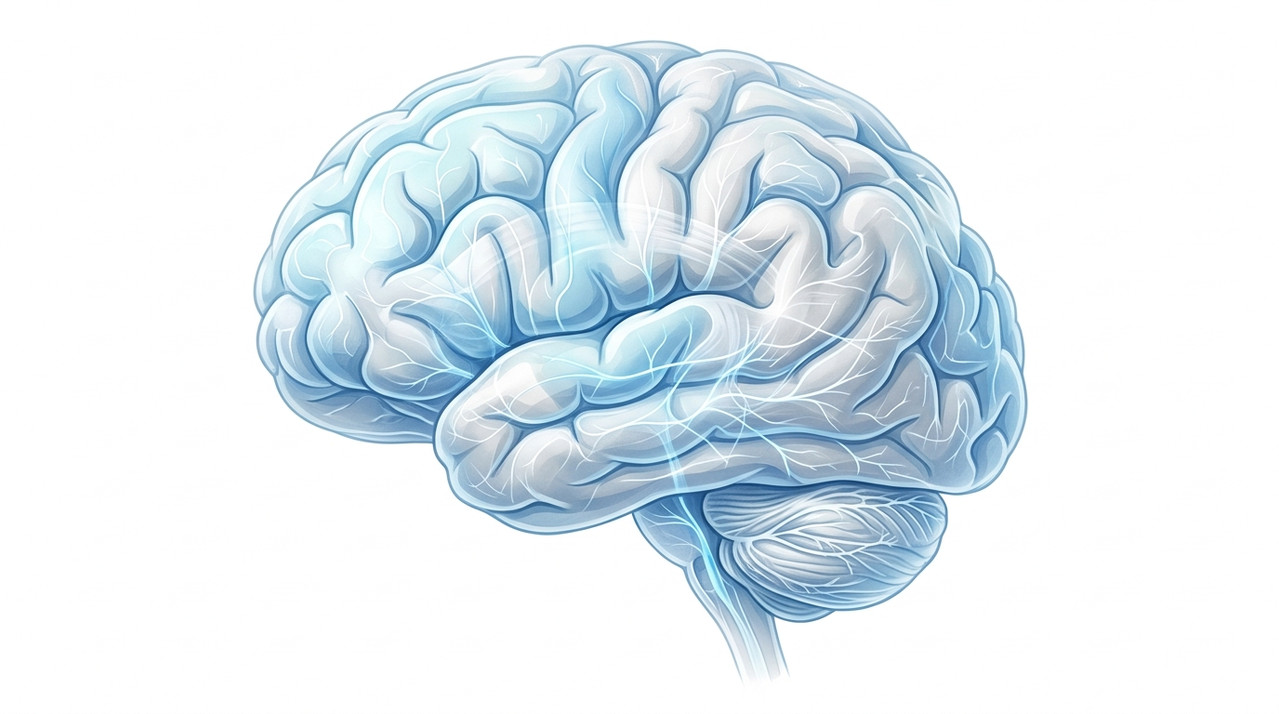
What Causes Memory Loss?
Memory loss rarely has a single cause. Researchers and clinicians recognize a wide spectrum of contributing factors, many of which interact with one another in complex ways:
Common contributing factors
- Age-related changes: Normal slowing of cognitive processing that occurs with aging.
- Sleep deprivation: Poor sleep quality directly affects memory consolidation and recall.
- Nutritional deficiencies: Low levels of B vitamins, vitamin D, and omega-3 fatty acids are linked to cognitive decline.
- Chronic stress: Elevated cortisol levels over time may damage memory-related brain structures.
- Cardiovascular health: Poor circulation affects oxygen and nutrient delivery to the brain.
- Neurological conditions: Alzheimer's disease, vascular dementia, and Lewy body dementia represent progressive neurological causes.
Scientists now believe that neurological conditions like Alzheimer's begin developing silently — years or even decades before symptoms appear. This has intensified research interest in early-stage natural interventions that may slow the process.
Clinicians increasingly distinguish between "age-associated memory impairment" — considered a normal variant of aging — and "mild cognitive impairment" (MCI), which represents a transitional stage between normal aging and dementia. People with MCI are at higher risk of developing Alzheimer's disease, but many remain stable or even improve. This distinction matters because it shapes both the urgency and the type of intervention researchers study.
Current Treatment Options for Memory Loss
The treatment landscape for memory loss and cognitive decline has evolved significantly in recent years. For decades, pharmaceutical options dominated clinical practice — with medications designed primarily to manage symptoms rather than address underlying causes.
FDA-approved medications such as cholinesterase inhibitors (donepezil, rivastigmine, galantamine) and memantine remain the standard of care for diagnosed Alzheimer's disease. These drugs can temporarily slow symptom progression in some patients, but do not halt or reverse neurodegeneration — and a substantial proportion of patients report limited benefit over time.
A 2022 analysis published in JAMA Neurology found that fewer than 30% of patients on standard Alzheimer's medications showed clinically meaningful cognitive improvement at 12 months. This gap between available treatments and patient expectations has driven significant research investment into complementary and natural approaches.
While these pharmaceutical treatments remain the standard of care for diagnosed conditions like Alzheimer's disease, a growing body of research has expanded the conversation to include dietary interventions, lifestyle modifications, and naturally occurring compounds that may support cognitive function alongside — or in some cases, independently of — conventional treatment.
According to the Lancet Commission on Dementia Prevention (2020), approximately 40% of dementia cases worldwide may be linked to modifiable risk factors — including physical inactivity, smoking, excessive alcohol consumption, obesity, hypertension, diabetes, depression, low education, social isolation, air pollution, and hearing loss. This finding has significantly expanded interest in lifestyle-based and natural interventions.
Read the Special Report: Why researchers are studying a specific natural compound — and what the clinical data shows.
See Why Researchers Expanded This Investigation →
Why Researchers Are Paying More Attention to Natural Treatments
For decades, pharmaceutical treatments remained the primary medical approach for Alzheimer's disease and cognitive decline. Medications approved for memory conditions were designed largely to manage symptoms — not to address the underlying biological processes driving neurodegeneration.
At the same time, a parallel body of scientific research has continued to expand. Researchers in neuroscience, nutrition and clinical medicine have increasingly focused on naturally occurring compounds capable of supporting brain health through multiple biological mechanisms — including oxidative stress reduction, neuroinflammation control, vascular health, neuronal communication and healthy brain aging. These approaches are not considered replacements for medical treatment, but are being actively studied as potential complements to conventional care.
Researchers worldwide are currently investigating dozens of naturally occurring compounds that may support memory, cognitive performance and healthy brain aging. Studies range from epidemiological observations to controlled clinical trials across multiple countries and institutions.
Among those compounds, one particular group of plant-derived substances has attracted growing scientific attention — not because of a single dramatic finding, but because of the consistency of results reported across multiple independent studies conducted in different research settings.
The approaches listed represent only a portion of the natural interventions currently under scientific investigation. Evidence continues to evolve as larger and longer-term clinical trials become available.
Current evidence suggests that no natural treatment has been proven to cure Alzheimer's disease. However, growing research indicates that certain dietary patterns, healthy lifestyle interventions and naturally occurring compounds may support cognitive function and healthy brain aging when used alongside appropriate medical care.
Scientific interest in natural compounds for brain health continues to expand. Funding for research in this field has grown steadily over the past decade, reflecting both the scale of the cognitive decline burden globally and the limitations of existing pharmaceutical approaches.
Among the dozens of compounds currently under investigation, one particular line of research has received increasing scientific attention after early findings encouraged researchers to expand both laboratory and clinical investigations. The consistency of results across independent research groups — rather than any single dramatic claim — is what has distinguished this area from others in the field.

Researchers eventually focused on one specific line of investigation after early findings encouraged additional laboratory and clinical research. The complete research presentation explains how this investigation evolved, what scientists have observed so far, and why this field continues attracting growing attention from neuroscience researchers around the world.
Watch the Full Report — See What the Research Revealed →What Scientists Still Don't Know
Despite significant advances in the study of natural approaches to brain health, substantial questions remain unanswered. Acknowledging these gaps is not a limitation of the science — it is a reflection of its integrity. The following represents the frontier of ongoing investigation.
Which natural compounds produce the greatest long-term cognitive benefits?
Current research has identified multiple promising compounds, but head-to-head comparative trials — rigorously testing one compound against another in equivalent populations — remain limited. It is not yet possible to determine which specific approach produces the most significant long-term benefit.
Which patients benefit most from natural interventions?
Studies have shown variable results across different patient populations. Researchers are actively investigating whether age, genetic profile (including APOE4 status), stage of cognitive decline, or pre-existing health conditions influence response to natural compounds. Personalized approaches may ultimately prove more effective than universal protocols.
What is the optimal dosage and duration for natural compound interventions?
Most current studies have tested a range of doses over relatively short periods — typically 12 to 24 weeks. The question of what constitutes an effective maintenance dose over years or decades remains largely unexplored. Long-term safety data for concentrated supplemental forms of many compounds also remains limited.
Which combinations of natural interventions are most effective?
While multidomain studies like the FINGER Trial suggest that combinations of lifestyle interventions outperform single approaches, the specific combinations — and the interactions between natural compounds themselves — are still being mapped. Some compounds may work synergistically; others may compete for absorption or metabolic pathways.
What long-term outcomes are researchers still evaluating?
Most existing studies measure outcomes over months rather than years. Whether early natural interventions translate into meaningful reductions in Alzheimer's diagnosis rates — or simply delay onset — requires significantly longer follow-up studies than most current research has completed. Several major longitudinal studies are currently underway.
The presence of unanswered questions is not a reason for skepticism — it is the normal condition of active science. The fact that researchers continue to invest in this area reflects genuine scientific interest and the emergence of promising early findings, not the existence of established answers. The investigation continues — and Part Two of this editorial documents where that investigation currently stands.
Frequently Asked Questions
- Ngandu T, et al. (2015). A 2 year multidomain intervention of diet, exercise, cognitive training, and vascular risk monitoring versus control to prevent cognitive decline in at-risk elderly people (FINGER). The Lancet, 385(9984), 2255–2263. View study →
- Morris MC, et al. (2015). MIND diet associated with reduced incidence of Alzheimer's disease. Alzheimer's & Dementia, 11(9), 1007–1014. View on PubMed →
- Krikorian R, et al. (2010). Blueberry Supplementation Improves Memory in Older Adults. Journal of Agricultural and Food Chemistry, 58(7), 3996–4000. View on PubMed →
- Spencer JP. (2010). The impact of fruit flavonoids on memory and cognition. British Journal of Nutrition, 104(S3), S40–S47. View on PubMed →
- Devore EE, et al. (2012). Dietary intakes of berries and flavonoids in relation to cognitive decline. Annals of Neurology, 72(1), 135–143. View on PubMed →
- Livingston G, et al. (2020). Dementia prevention, intervention, and care: 2020 report of the Lancet Commission. The Lancet, 396(10248), 413–446. View study →
- Kato-Kataoka A, et al. (2010). Soybean-derived phosphatidylserine improves memory function of the elderly Japanese subjects with memory complaints. Journal of Clinical Biochemistry and Nutrition, 47(3), 246–255. View on PubMed →
- Mori K, et al. (2009). Improving effects of the mushroom Yamabushitake on mild cognitive impairment. Phytotherapy Research, 23(3), 367–372. View on PubMed →
- Howard R, et al. (2022). Donepezil and Memantine for Moderate-to-Severe Alzheimer's Disease. JAMA Neurology, 79(6), 567–578. View on PubMed →